
The global airline industry stands at a defining moment as it approaches 2026. Despite facing headwinds ranging from aerospace supply chain bottlenecks to geopolitical uncertainties, airlines worldwide are projected to achieve record profitability while serving an unprecedented number of passengers.
According to the latest data released by the IATA, the industry is expected to generate a combined net profit of $41 billion in 2026, marking a new milestone for commercial aviation.
However, beneath these headline figures lies a more complex narrative.
While total profitability reaches record levels, profit margins remain relatively thin at 3.9%, and the industry continues to grapple with structural challenges that threaten to constrain growth for years to come.
Our comprehensive analysis report examines the global airline industry’s outlook for 2026, with detailed regional perspectives and analysis of the key trends shaping aviation’s future.
Table of Contents
Global Airline Industry Overview (2026)
The worldwide airline industry enters 2026 with cautious optimism, having demonstrated remarkable resilience throughout a period marked by supply chain disruptions, regulatory pressures, and shifting macroeconomic conditions.
Total industry revenues are forecast to reach $1.053 trillion, representing a 4.5% increase from the $1.008 trillion anticipated in 2025. This growth trajectory positions aviation as a trillion-dollar industry with an expanding global reach.
Airlines are expected to transport 5.2 billion passengers in 2026, a 4.4% increase over 2025 figures. This passenger volume recovery exceeds pre-pandemic levels and reflects sustained demand for air travel across both leisure and business segments.
Revenue passenger kilometers (RPK), a key industry metric measuring passenger-distance traveled, are projected to expand by 4.9% year-over-year.
Financial Performance Metrics
The projected $41 billion net profit for 2026 represents an improvement from the $39.5 billion expected in 2025, yet the net profit margin remains unchanged at 3.9%. This modest margin underscores a fundamental industry challenge: despite generating massive revenues, airlines operate on razor-thin profit margins compared to other sectors.
Net profit per passenger transported is expected to be $7.90 in 2026, unchanged from 2025 but below the 2023 high of $8.50. As IATA Director General Willie Walsh noted in the official press release, “Apple will earn more selling an iPhone cover than the $7.90 airlines will make transporting the average passenger.”
Operating profit is forecast at $72.8 billion, up from $67.0 billion in 2025, yielding a net operating margin of 6.9%. Return on invested capital (ROIC) is expected to remain at 6.8%, still below the weighted average cost of capital (WACC) estimated at 8.2%, indicating that the industry as a whole continues to struggle to generate returns that cover its cost of capital.
2026 Global Airline Industry Key Metrics

Total Revenue:                    $1.053 trillion
Net Profit:                       $41 billion
Net Profit Margin:                3.9%
Operating Profit:                 $72.8 billion
Operating Margin:                 6.9%
Passenger Numbers:                5.2 billion
Passenger Growth:                 +4.4% YoY
RPK Growth:                       +4.9% YoY
Load Factor:                      83.8%
Net Profit Per Passenger:         $7.90
Cargo Volume:                     71.6 million tonnes
Cargo Revenue:                    $158 billion
Revenue Drivers and Composition
Passenger ticket revenues form the backbone of industry income, projected to reach $751 billion in 2026, representing a 4.8% increase from $716 billion in 2025. This growth is primarily driven by passenger volume expansion rather than fare increases, as yields are expected to remain relatively flat amid competitive pressures.
Ancillary and other revenues continue to gain importance, projected to rise by 5.5% to $145 billion in 2026. These ancillary services now account for nearly 14% of total revenue, up from 12-13% pre-pandemic, reflecting airlines’ successful diversification of revenue streams through baggage fees, seat selection charges, onboard sales, and loyalty programs.
Cargo revenue is forecast at $158 billion, a 2.1% increase from $155 billion in 2025. Air cargo has proven remarkably resilient, defying predictions of decline by adapting to changing trade flows and capitalizing on e-commerce growth and semiconductor shipments supporting AI infrastructure investments.
Record Load Factors Signal Constrained Supply
Airlines are expected to achieve record-high load factors of 83.8% in 2026, meaning more than five out of every six seats will be occupied throughout the year. While this represents impressive capacity utilization, it also signals supply constraints that prevent airlines from adding capacity to meet demand.
These elevated load factors result partly from aerospace supply chain issues that limit aircraft availability. With fewer new aircraft entering service than planned, airlines are maximizing utilization of existing fleets, leading to fuller planes but also reduced scheduling flexibility and fewer options for passengers.
Aerospace Supply Chain Challenges: The Industry’s Achilles Heel
Perhaps no single factor poses a greater constraint on airline growth in 2026 than the ongoing aerospace supply chain bottlenecks. According to IATA, aircraft availability remains one of the most significant limitations on industry expansion.

Scale of Delivery Shortfalls
Delivery shortfalls now total at least 5,300 aircraft, representing a massive gap between airline requirements and manufacturer output. The order backlog has surpassed 17,000 aircraft, equivalent to approximately 60% of the active global fleet. Historically, this ratio remained steady at 30-40%, highlighting the unprecedented nature of current supply constraints.
This backlog represents nearly 12 years of production at current capacity levels. Even as deliveries began to pick up in late 2025 and are expected to accelerate in 2026, demand continues to outstrip supply, with the normalization of this structural mismatch unlikely before 2031-2034.
Also read:


Aging Fleet Consequences
The average age of the global airline fleet has risen to 15.1 years, broken down as follows:
Passenger aircraft: 12.8 years
Cargo aircraft: 19.6 years
Wide-body aircraft: 14.5 years
This aging fleet imposes multiple penalties on airlines. Older aircraft consume more fuel, require more frequent maintenance, and generate higher emissions per passenger-kilometer. Fuel efficiency improvements, which historically averaged 2.0% annually, slowed to just 0.3% in 2025 and are projected at only 1.0% for 2026.
Financial Impact of Supply Chain Disruptions
A joint study by IATA and Oliver Wyman estimated the cost to airlines of supply chain bottlenecks exceeded $11 billion in 2025, attributable to four main factors:
Cost Category | Amount | Description |
|---|---|---|
Excess Fuel Costs | $4.2 billion | Operating older, less efficient aircraft due to delayed deliveries |
Additional Maintenance | $3.1 billion | Aging fleet requires more frequent and expensive maintenance |
Increased Engine Leasing | $2.6 billion | Engines spend longer in maintenance; lease rates up 20-30% since 2019 |
Surplus Inventory | $1.4 billion | Airlines stockpiling spare parts to mitigate supply disruptions |
Compounding Factors
Several interconnected issues exacerbate these supply chain challenges:
Airframe production outpaces engine production due to constraints in engine manufacturing, particularly issues with existing engine models. This mismatch results in newly completed airframes being parked awaiting engines.
Certification timelines for new aircraft have extended from 12-24 months to four or even five years, delaying entry into service and particularly impacting long-haul fleet renewal.
Trade tensions between the United States and China have imposed tariffs on metals and electronics, worsening some supply bottlenecks and raising maintenance costs.
A shortage of skilled labor, especially in engine and component manufacturing, constrains production ramp-up plans despite strong demand.
The fragility of aerospace supply chain networks, often reliant on limited suppliers for critical parts, means even small disruptions can cascade into significant production delays.
Cost Environment and Operating Expenses
Total operating expenses are forecast at $981 billion in 2026, representing 4.2% growth compared to 2025. While revenue growth of 4.5% exceeds this cost increase, the margin remains tight, and airlines face pressure from multiple cost categories.
Fuel Costs and Energy Outlook
Fuel costs are expected to decline slightly to $252 billion in 2026, down 0.3% from $253 billion in 2025. This modest reduction reflects a consensus forecast for crude oil prices to decline to $62 per barrel Brent, an 11.0% decrease from $70 per barrel in 2025.
However, jet fuel prices are only expected to decline by 2.4%, from $90 per barrel in 2025 to $88 per barrel in 2026, as the crack spread (refining margin) widens. The expiration of higher-cost hedges from 2025 should allow airlines to realize prices closer to market levels.
Fuel will account for 25.7% of total operating expenses in 2026, down from 26.8% in 2025. Factoring in industry growth, total fuel consumption is expected to increase to 106 billion gallons, a 2.7% rise from 103 billion gallons in 2025.
Sustainability Compliance Costs
Environmental compliance costs continue to escalate. The Carbon Offsetting and Reduction Scheme for International Aviation (CORSIA) is expected to cost airlines $1.7 billion in 2026, up from $1.3 billion in 2025.
Sustainable Aviation Fuel (SAF) adoption, while environmentally beneficial, imposes additional costs. The incremental expense of airline SAF purchases is expected to reach $4.5 billion in 2026, with 2.4 million tonnes of SAF anticipated to be available, representing just 0.8% of total fuel consumption.
Image source: BP
Europe’s ReFuelEU initiative mandates a 2% SAF blend at EU airports starting in 2025, with requirements increasing progressively. While necessary for decarbonization, these mandates increase operating costs for airlines serving European markets.
Non-Fuel Cost Pressures
Non-fuel costs are forecast at $729 billion in 2026, up 5.8% from $689 billion in 2025. Labor costs have emerged as the largest cost component, accounting for 28% of total expenses. Wage growth continues to outpace inflation amid very tight labor market conditions.
Despite strong hiring, airlines have struggled to restore employment productivity to 2019 levels. Rapid workforce growth has outpaced gains in output per employee amid ongoing operational and training challenges. The airline industry faces a projected pilot shortfall of 24,000 pilots by 2026, exacerbating cost pressures and constraining capacity expansion.
Maintenance costs are climbing due to the aging fleet and supply chain disruptions affecting parts availability. Aircraft lease rates have reached record highs, up 20-30% since 2019, pushing up ownership costs. Airport and en-route charges continue to rise as well, with infrastructure providers passing through their own cost inflation.
Currency Effects
A weaker US dollar is expected to benefit non-USD-based airlines’ profitability by reducing dollar-denominated costs such as fuel, aircraft leases, and maintenance.
IATA estimates that 55-60% of global airline costs are denominated in USD, compared to 50-55% on the revenue side.
Based on this asymmetry, a 1% weakening of the USD against global currencies may lift global airline profits by 1% and improve operating margins by around 0.05 percentage points.
Air Cargo: Defying Expectations
Air cargo has emerged as a bright spot in the 2026 outlook, demonstrating resilience amid rapidly changing global trade conditions. Cargo volumes are expected to reach 71.6 million tonnes in 2026, representing 2.4% growth from 2025 levels.

Image source: IATA
Cargo revenue is forecast at $158 billion, a 2.1% increase from 2025. This moderate expansion is driven by continued growth in time-sensitive shipments and e-commerce volumes, with cargo tonne kilometers (CTK) expected to grow 2.6% in 2026, slowing from 3.1% growth in 2025.
Despite slower volume growth, cargo yields are expected to remain stable, declining only 0.5% from 2025 levels while remaining approximately 30% above pre-pandemic rates. Tightening capacity, particularly from supply chain constraints affecting freighter availability, supports this yield resilience.
E-Commerce and Trade Patterns
Air cargo has proven particularly adaptable to shifting trade flows. As the United States implemented tariff regimes, air cargo facilitated front-loading of goods ahead of tariff deadlines and flexibly accommodated surges in demand as tariffed goods found new markets outside the US.
Robust e-commerce growth and semiconductor shipments supporting AI infrastructure investments have been key drivers of cargo demand. Recent data shows cargo volumes rose 5% year-over-year in November 2025, though the pace of e-commerce growth shows signs of moderating.
According to analysis by the Trade and Transport Group, air cargo growth in 2026 is expected to range between 1.8% and 5.5%, depending significantly on cross-border e-commerce traffic patterns.
Cargo Fleet Challenges
The air cargo fleet faces its own set of challenges. Converted aircraft from passenger operations remain in short supply as airlines retain them longer for passenger services.
New-build wide-body aircraft face production delays. Older cargo aircraft that have been kept flying longer to compensate for slower fleet renewal will eventually reach hard limits on their useful life, potentially creating future capacity constraints.
North American Airline Industry Outlook (2026)
North America’s airline industry is expected to generate net profits of $11.3 billion in 2026, up from $10.8 billion in 2025, with a net profit margin of 3.4%.
While profitability remains stable, the region has ceded its position as the most profitable to Europe, reflecting distinct challenges facing North American carriers.
Metric | 2025 Estimate | 2026 Forecast | Change |
|---|---|---|---|
Net Profit | $10.8 billion | $11.3 billion | +4.6% |
Net Margin | 3.3% | 3.4% | +0.1 pp |
Net Profit Per Passenger | $9.50 | $9.80 | +$0.30 |
RPK Growth | N/A | +1.5% | N/A |
Capacity (ASK) Growth | N/A | +1.0% | N/A |
Demand Environment
The United States faced stagnating overall growth in 2025, with the domestic market contracting amid policy uncertainty around tariffs, tighter immigration enforcement dampening both inbound and domestic travel, and a lengthy government shutdown. Demand growth of 1.5% in RPK and capacity growth of only 1.0% reflect these constraints.
However, 2026 is expected to see some easing of these challenges and opportunities for gradual demand increases as policy uncertainties moderate and economic conditions stabilize.
Operating Constraints
North American airlines continue to face multiple operational constraints that limit expansion potential. Capacity constraints stem from aircraft delivery delays and supply chain issues. Pilot shortages remain a persistent challenge, with the industry facing a projected shortfall of 24,000 pilots by 2026. Engine reliability issues, particularly with certain Pratt & Whitney gTF engines, have grounded aircraft and disrupted operations.
Rising labor costs continue to restrict expansion, with flight crew and ground personnel commanding higher wages amid tight labor markets. Despite these headwinds, airlines managed to protect margins in 2025, supported by stable yields and lower fuel prices.
Business Model Divergence
Performance varies significantly by business model within North America.
Low-cost carriers face particular pressure, heavily exposed to the shrinking US domestic segment while passenger preferences increasingly favor premium services. Single-type fleet strategies, common among low-cost carriers, create disadvantages amid supply chain disruptions when specific aircraft types face delivery delays or engine issues.
Legacy carriers with diversified fleets, strong international networks, and robust premium offerings have demonstrated greater resilience.
BMO Capital Markets projects a brighter 2026 for US airlines overall, with Delta Air Lines and United Airlines positioned strongly due to their balanced network strategies and operational execution.
Regulatory Environment
The regulatory environment in North America presents both opportunities and challenges. While significant deregulation efforts are being pursued in the United States under the current administration, airlines await concrete policy implementations.
Air traffic management system modernization plans for the coming years would represent a major improvement if executed effectively, addressing longstanding infrastructure inefficiencies.
Also read:


Latin American Airline Industry Outlook (2026)
Latin America’s airline industry presents a mixed outlook for 2026, with net profits projected at $2.0 billion, down from $2.5 billion in 2025.
The net margin is expected to decline from 5.2% to 3.8%, and net profit per passenger is forecast at $5.70, down from $7.30 in 2025.
Latin America 2026 Airline Outlook

Expected Net Profit:              $2.0 billion
Net Profit Margin:                3.8%
Profit Per Passenger:             $5.70
Passenger Demand (RPK) Growth:    +6.6%
Capacity (ASK) Growth:            +6.5%
Traffic Growth and Connectivity
Despite the profitability decline, traffic growth remains robust at 6.6%, driven by economic stability in key markets and enhanced intra-regional connectivity. Demand between the Americas has softened somewhat, though this has been offset by increased regional flows and solid transatlantic performance, highlighting carrier adaptability to shifting travel patterns.
Major carriers in the region, including LATAM Airlines, Copa Airlines, and Aeromexico, have expanded route networks and improved operational efficiency.
LATAM, Copa, and Avianca all offered reasonably positive outlooks for the remainder of 2025, with each operator working to optimize operations amid economic uncertainty.


Post-Restructuring Environment
Several major carriers in the region have realized benefits from Chapter 11 restructuring, fundamentally altering the competitive environment. The region has shifted from crisis-driven survival mode to cautious, efficiency-focused rebuilding. Airlines have emerged from bankruptcy with rationalized cost structures, updated fleets, and more sustainable debt levels.
Currency Volatility
Currency fluctuations remain a critical headwind for Latin American carriers.
Although 2025 saw temporary relief with local currencies appreciating against the dollar, volatility is expected to continue, challenging cost management and profitability. With significant costs denominated in US dollars (fuel, leases, maintenance) while revenues are earned in local currencies, exchange rate swings directly impact bottom-line performance.
Operating profitability is anticipated to rebound in 2026, benefiting from the gradual strengthening of regional economic fundamentals. However, currency risk management remains a priority for airline financial planning.
European Airline Industry Outlook (2026)
Europe is projected to deliver the strongest financial performance in absolute terms among all regions in 2026, with net profits of $14.0 billion, up from $13.2 billion in 2025.
The net profit margin of 4.9% and profit per passenger of $10.90 represent the highest among major regions.
Performance Indicator | 2025 (E) | 2026 (F) | Growth |
|---|---|---|---|
Net Profit | $13.2B | $14.0B | +6.1% |
Net Margin | 4.8% | 4.9% | +0.1 pp |
Profit Per Passenger | $10.60 | $10.90 | +$0.30 |
Demand Growth (RPK) | N/A | +3.8% | N/A |
Capacity Growth (ASK) | N/A | +3.8% | N/A |
Disciplined Capacity Management
European airlines demonstrate particularly disciplined capacity management and strong load factors. Traffic growth of 3.8% is moderating as the market matures and amid tepid economic conditions in the Eurozone, where GDP growth lags the global average.
Low-cost carriers are performing particularly well, expanding at double-digit rates and outperforming full-service carriers on net profit margin. Strong intra-European traffic and robust leisure markets fuel this segment’s growth.
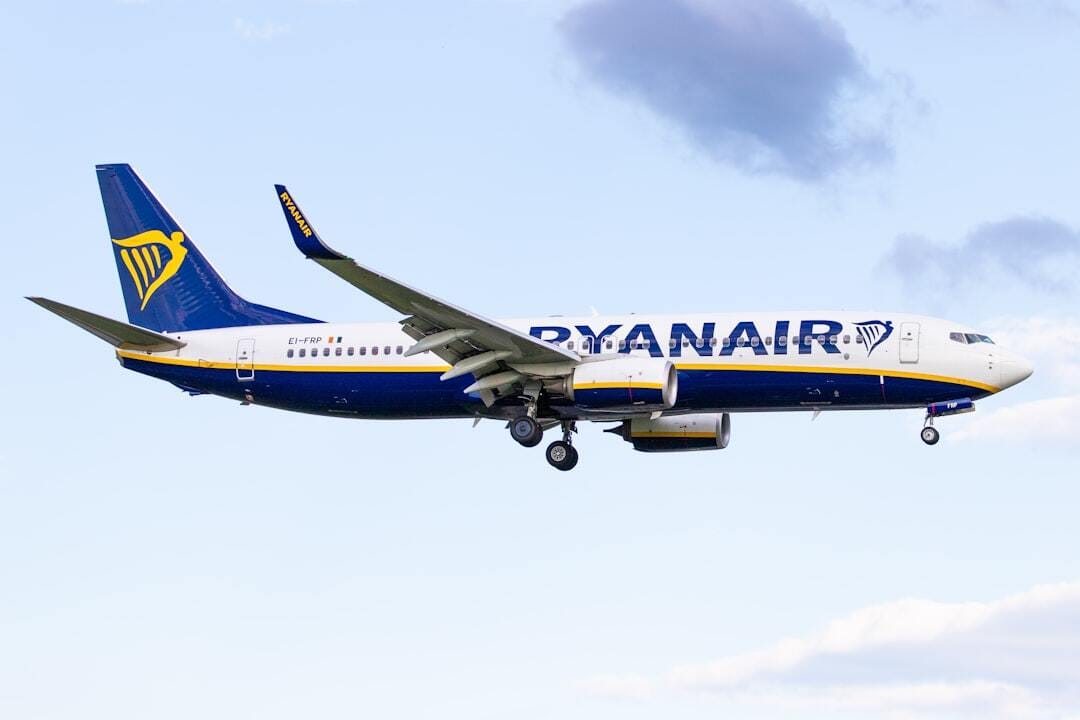
Carriers such as Ryanair, easyJet, and Wizz Air continue to capture market share through aggressive pricing and network expansion.


Legacy Carrier Challenges
Full-service carriers including Lufthansa Group and Air France-KLM face different dynamics. J.P. Morgan has warned that European airline stocks may face pressure from short-haul oversupply in 2026, with total European airline seat supply forecast to grow approximately 5% year-over-year, including narrow-body capacity up 6.3%.
However, these carriers see opportunities in long-haul markets where capacity constraints benefit yields. Both Lufthansa and Air France-KLM forecast improved conditions in long-haul sectors with margin potential.
Currency and Cost Benefits
The strength of the Euro provides partial offset to inflationary pressures, particularly in fuel and leasing expenses denominated in US dollars. This currency advantage helps European carriers maintain margins despite input cost volatility.
Regulatory Burden
The regulatory cost burden is increasing in Europe. The ReFuelEU initiative requiring 2% SAF blend at EU airports from 2025 imposes direct cost increases. European carriers also face mounting operational headwinds from labor unrest, drone disruptions, and persistent air traffic control bottlenecks.
Attempts to reform European regulation on passenger rights (EU261) have been watered down in ambition and convoluted with proposals to essentially make cabin baggage a passenger right irrespective of business model.
European regulators have yet to act on recommendations from the Draghi report to make significant competitiveness improvements by easing regulatory burdens.
Asia Pacific Airline Industry Outlook (2026)
The Asia Pacific region leads global traffic growth and is projected to achieve net profits of $6.6 billion in 2026, up from $6.2 billion in 2025. The net profit margin remains at 2.3%, with profit per passenger at $3.20, down slightly from $3.30 in 2025.
Asia Pacific Key Performance Indicators 2026

Net Profit:                       $6.6 billion
Net Profit Margin:                2.3%
Profit Per Passenger:             $3.20
RPK Growth:                       +7.3%
ASK Growth:                       +7.1%
Load Factor (Forecast):           84.4%
Robust Demand Drivers
Passenger demand remains robust, with RPK growth of 7.3% leading all regions.
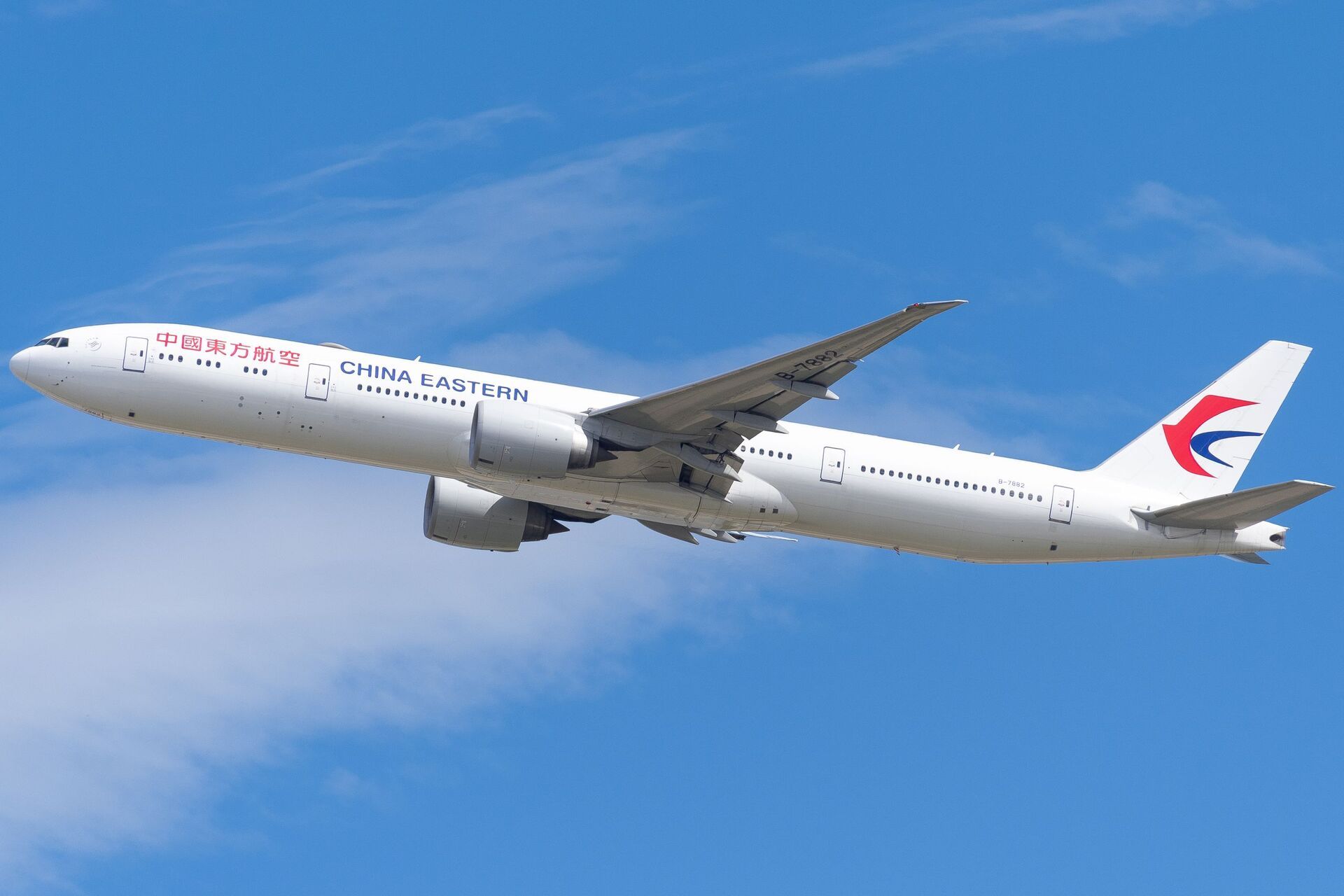
China and India are driving regional expansion, fueled by rising tourism activity and growing middle classes. Easing visa requirements for Chinese group tours to South Korea and for visitors to China are expected to stimulate short-term inbound demand, particularly during peak holiday periods.
Asia Pacific airlines express optimism for continued air transport growth through 2026, citing resilient regional economies and infrastructure investments.
Capacity and Yield Pressures
Overcapacity remains a challenge as international traffic recovery lags domestic markets in some countries. This capacity imbalance puts pressure on yields, with deflationary pressures in China driving yields lower in that crucial market.
Nevertheless, Asia Pacific remains the largest contributor to global traffic growth. Load factors are projected to reach 84.4% in 2026, an all-time high for the region, indicating strong underlying demand even amid yield pressures.
Trade Dynamics
While Chinese exports to the United States have declined due to trade tensions, substitution effects have helped offset impacts as Chinese goods find alternative markets. Intra-Asian trade and travel flows continue to strengthen, with ASEAN connectivity improving through expanded air service agreements and infrastructure development.
Cathay Pacific plans to scale back the rate of network growth increase in 2026 to consolidate recent gains, reflecting a maturing recovery phase in key markets.
Fleet Modernization
Asian carriers continue to invest heavily in fleet modernization. Airbus forecasts that the Asia-Pacific region will need nearly 20,000 new aircraft over the next 20 years, with annual passenger growth projected at 4.4%, surpassing global averages.

Middle East Airline Industry Outlook (2026)
The Middle East stands out as the strongest performing region by multiple metrics, with net profits of $6.8 billion forecast for 2026, up from $6.6 billion in 2025. The region boasts the highest net profit margin at 9.3% and profit per passenger at $28.60.
Middle East Metrics | 2025 (E) | 2026 (F) |
|---|---|---|
Net Profit | $6.6B | $6.8B |
Net Margin | 9.3% | 9.3% |
Profit Per Passenger | $28.90 | $28.60 |
Demand Growth | N/A | +6.1% |
Capacity Growth | N/A | +5.4% |
Hub Strategy Excellence
The Middle East’s exceptional performance attests to the advantages of a positive regulatory operating environment and the region’s strategic position as a global connecting hub. Major carriers Emirates, Qatar Airways, and Etihad Airways have built highly efficient hub-and-spoke networks that capture long-haul traffic between Asia, Europe, and the Americas.
Passenger demand continues to be robust, driven by long-haul traffic and expansion of hub carriers. Governments and airlines are doubling down on infrastructure investments to secure long-term growth.
Etihad Airways is expanding its global network with 29 new and returning routes from Abu Dhabi through 2026, marking the carrier’s most ambitious post-pandemic expansion.


Geopolitical Resilience
While geopolitical tensions remain a feature of the regional backdrop, they are not expected to negatively impact growth significantly, particularly as efforts to secure lasting peace continue.
Airlines have demonstrated operational resilience despite airspace closures and routing challenges affecting some regions.
Aircraft Constraints
Middle Eastern carriers are mitigating aircraft delivery delays through retrofit programs and fleet life extensions. While capacity growth will remain somewhat constrained in the near term at 5.4% compared to demand growth of 6.1%, carriers maintain strong load factors and yields through disciplined capacity deployment.
Seven rising MENA airlines are positioned to capitalize on regional growth opportunities, including Saudi Arabian carriers benefiting from Vision 2030 tourism and connectivity initiatives.
African Airline Industry Outlook (2026)
Africa presents the most challenging outlook among global regions, with net profits projected at just $0.2 billion in 2026, unchanged from 2025.
The net margin is expected to decline slightly from 1.1% to 1.0%, with profit per passenger at $1.30, down from $1.40.
African Airline Industry Forecast 2026

Total Net Profit:                 $0.2 billion
Net Profit Margin:                1.0%
Profit Per Passenger:             $1.30
Passenger Demand (RPK) Growth:    +6.0%
Capacity (ASK) Growth:            +5.7%
Average Cost Per ATK:             ~140 US cents
Regional Corporate Tax Rate:      28% (highest globally)
Structural Challenges
Low GDP per capita across much of the continent limits discretionary spending, making air travel highly price sensitive and restricting growth potential. Demand is further constrained by visa restrictions, restrictive bilateral agreements, and high passenger charges.
African carriers face the highest unit costs globally, with average cost per available tonne kilometer near 140 US cents, almost double the industry average. Multiple factors contribute to these elevated costs:
High fuel costs due to limited refueling infrastructure and logistical challenges.
Fragmented markets requiring multiple short-haul routes rather than economies of scale from longer sectors.
Older fleet age averaging higher than other regions, reducing fuel efficiency.
Average corporate tax rates of 28%, the highest among all regions, directly impacting profitability.
Growth Despite Challenges
Despite these constraints, traffic is expanding faster than the global average at 6.0% RPK growth in 2026. This growth reflects latent demand and the essential connectivity that aviation provides to African economies.
Ethiopian Airlines, Africa’s leading carrier, continues to expand operations and was named Best Airline in Africa for the eighth consecutive year at the 2025 SKYTRAX World Airline Awards. The carrier is investing in additional Airbus A350 aircraft to maintain its position as Africa’s largest A350 operator.
Kenya Airways is seeking to raise at least $500 million in new capital by early 2026 to expand and modernize its fleet, following a first-half 2025 pretax loss that reflects the challenging operating environment.
Path Forward
Until structural constraints ease through improved infrastructure, reduced regulatory barriers, more favorable tax treatment, and fleet modernization, Africa’s airline industry will continue to operate with thin margins and limited resilience.
However, the long-term potential remains significant given the continent’s demographic trends and economic development trajectory.
Technology and Digital Transformation
The airline industry is accelerating adoption of digital technologies and artificial intelligence to improve operations, enhance customer experiences, and optimize revenue management. These technological investments are reshaping how airlines interact with customers and manage complex operations.
AI and Revenue Management
Airlines are significantly increasing use of AI in setting fares by 2026. Advanced algorithms analyze vast datasets to optimize pricing dynamically based on demand patterns, competitor actions, and customer behavior. Early adopters such as Air France-KLM and Lufthansa Group introduced continuous pricing on select markets via New Distribution Capability (NDC) channels several years ago.
The industry stands on the cusp of a new era characterized by unprecedented pricing sophistication, enabling airlines to maximize revenue while offering more personalized fare options to travelers.
Customer Experience Innovation
Virgin Atlantic recently launched a travel chatbot built with OpenAI and digital design firm Tomoro. The system allows customers to plan and book travel through text, voice, or image inputs, representing a significant advancement in natural language interfaces for travel booking.
Riyadh Air and IBM announced a partnership to launch the world’s first AI-native airline. This collaboration aims to build artificial intelligence capabilities into core operations from the ground up, potentially setting new standards for operational efficiency and customer service.
Operational Efficiency
AI and machine learning are being deployed for predictive maintenance, optimizing crew scheduling, improving fuel efficiency through route optimization, and enhancing ground operations coordination. These applications reduce costs, improve on-time performance, and minimize disruptions.
Korean Air plans to launch Starlink WiFi by the end of 2026, enabling high-speed internet connectivity on flights. Abu Dhabi Airports and SITA are developing AI airport management systems to optimize passenger flows and reduce congestion.
Sustainability and Environmental Commitments
The airline industry remains committed to achieving net zero CO2 emissions by 2050, a goal that requires unprecedented collaboration, investment, and technological advancement. Progress toward this objective is measurable but faces significant challenges.
Sustainable Aviation Fuel Adoption
SAF represents the most viable near-term solution for reducing aviation emissions, though production remains constrained. In 2026, approximately 2.4 million tonnes of SAF are expected to be available globally, representing just 0.8% of total fuel consumption.
The incremental cost of SAF purchases is projected at $4.5 billion in 2026, creating financial pressure on airlines while the technology scales up. Production capacity is growing but remains insufficient to meet industry needs, with feedstock availability and refining capacity acting as primary bottlenecks.
Europe’s ReFuelEU Aviation regulation mandates minimum SAF blending percentages at EU airports, starting at 2% in 2025 and increasing over time. These mandates drive demand but also increase operating costs for carriers.
CORSIA Implementation
The Carbon Offsetting and Reduction Scheme for International Aviation (CORSIA) entered its active phase, requiring airlines to offset emissions above baseline levels. Airlines participating in CORSIA Phase 1 may need 100-150 million carbon credits as SAF supply remains limited.
CORSIA costs are expected to reach $1.7 billion for the industry in 2026, up from $1.3 billion in 2025. Airlines must purchase eligible carbon credits to compensate for emissions above 2019 baseline levels, creating a direct financial incentive for emissions reductions.
Fleet Modernization Impact
New-generation aircraft offer 15-25% better fuel efficiency than the models they replace. However, delivery delays slow the pace of fleet renewal and the associated emissions reductions. The inability to retire older, less efficient aircraft as quickly as planned extends the industry’s carbon footprint.
Historically, fuel efficiency improved by 2.0% annually through fleet renewal and operational improvements. This slowed to just 0.3% in 2025 and is projected at 1.0% for 2026, highlighting how supply chain constraints directly impact sustainability progress.
Public Support for Climate Action
An IATA public opinion poll conducted in October-November 2025 across 14 countries with 6,500 respondents who traveled in the past year revealed strong public support for aviation sustainability:
79% agreed the industry demonstrates commitment to work together to achieve net zero by 2050
77% agreed aviation leaders take the climate challenge seriously
90% agreed air connectivity is critical to the economy
82% said global air transport contributes to UN Sustainable Development Goals
This public support provides social license for industry investments in sustainability, though consumers also expect tangible progress toward emissions reduction targets.
Passenger Experience and Value Proposition
Air travel continues to deliver exceptional value to consumers, with real fares declining significantly over the past decade. Average real return airfares in 2025 US dollars were 34.7% cheaper compared to 2015. Passengers are expected to benefit from continued efficiency gains and competitive pressures that will likely see 2026 average return airfares at 36.8% below 2015 levels.
High Satisfaction Levels
The IATA public opinion poll revealed impressive satisfaction metrics:
97% of travelers expressed satisfaction with their last travel experience
88% agreed air travel makes their lives better
78% agreed air travel provides good value for money
87% said they care about their ability to fly in the future
83% care about the success of the aviation industry
These high satisfaction levels reflect improved service quality, competitive pricing, and the essential role aviation plays in modern life for both leisure and business purposes.
Service Differentiation
Airlines are increasingly differentiating service offerings across cabins and fare classes. Premium cabin products have seen substantial investment, with lie-flat seats, enhanced meal services, and lounge access becoming standard on long-haul routes for business and first-class passengers.
Economy class has seen the proliferation of branded fares, allowing passengers to choose service levels that match their needs and budgets. Basic economy fares provide affordable access, while premium economy bridges the gap between economy and business class.
Ancillary services contribute nearly 14% of total industry revenue, reflecting passenger willingness to pay for desired features such as seat selection, extra legroom, priority boarding, and checked baggage.
Industry Risks and Uncertainties
Several significant risks could impact the 2026 outlook, creating downside scenarios that would reduce profitability and constrain growth.
Geopolitical Tensions
Ongoing conflicts continue to affect airline operations through airspace closures, GPS interference, and re-routing for both political and safety reasons. These disruptions constrain operations, reduce efficiency, and impose direct costs through longer flight times and increased fuel burn.
Escalation of existing conflicts or emergence of new geopolitical flashpoints could further disrupt critical air routes, particularly between Europe and Asia, affecting connectivity and profitability.
Economic Uncertainty
The global economic outlook includes several risk factors: potential recession in major economies, persistent inflation requiring continued tight monetary policy, and sluggish trade growth projected at just 0.5% for 2026. Economic downturns typically reduce both business and leisure travel demand, particularly in price-sensitive markets.
US tariff policies create uncertainty for airlines with significant transoceanic operations, as trade volumes directly correlate with both passenger and cargo demand.
Supply Chain Deterioration
While aircraft deliveries are expected to increase in 2026, any further deterioration in aerospace supply chains would severely constrain airlines’ ability to grow and renew fleets. Production delays at Boeing or Airbus, or additional engine reliability issues, could force airlines to reduce capacity plans and keep older aircraft flying longer.
The backlog of 17,000 aircraft orders means any disruptions have cascading effects lasting years into the future.
Regulatory and Tax Burdens
Increasing regulatory costs, particularly environmental compliance requirements, create financial pressures. While necessary for sustainability, these regulations add costs that airlines struggle to pass through to consumers in competitive markets.
Infrastructure charges continue rising globally as airports and air navigation service providers seek to recover costs and fund improvements. These increases directly reduce airline profitability unless offset by fare increases or cost reductions elsewhere.
Health Pandemics
The COVID-19 pandemic demonstrated the airline industry’s vulnerability to health crises. While unlikely, emergence of a new pandemic or significant disease outbreak could rapidly undermine demand and force renewed travel restrictions, reversing recent recovery gains.
My Final Thoughts
For aviation industry professionals, executives, and analysts, several critical insights emerge from the 2026 outlook:
Resilience demonstrated: Airlines have built shock-absorbing capacity into their business models, enabling stable profitability despite significant headwinds. This operational and financial resilience represents meaningful progress from pre-pandemic vulnerabilities.
Margins remain thin: Despite record absolute profitability, 3.9% net margins underscore the challenging economics of the airline business. Industry-wide returns continue to fall short of capital costs, indicating persistent value capture issues within the aviation value chain.
Supply chain constraints: Aircraft availability represents the most significant constraint on growth. This situation will persist through the end of the decade, limiting airlines’ ability to capitalize fully on strong demand. Strategic fleet planning and supplier relationship management become even more critical.
Regional divergence: Performance varies dramatically by region, with Europe and the Middle East demonstrating superior profitability while Africa struggles with structural challenges. This divergence reflects differences in regulatory environments, market maturity, cost structures, and business model effectiveness.
Cargo opportunity: Air cargo’s resilience amid trade disruptions and e-commerce growth provides a partial offset to passenger revenue volatility. Carriers with robust cargo operations demonstrate better balanced revenue streams.
Sustainability imperative: Environmental commitments require substantial near-term investments that pressure margins while SAF availability remains constrained. Successful airlines will integrate sustainability into strategic planning rather than treating it as compliance burden.
Technology adoption: Digital transformation and AI implementation offer genuine opportunities for efficiency gains, revenue optimization, and customer experience enhancement. Airlines that lag in technology adoption risk competitive disadvantage.
Labor relations: With labor representing 28% of costs and tight labor markets persisting, constructive employee relations and competitive compensation packages are essential for operational stability and growth.
The global airline industry approaches 2026 with cautious optimism, having navigated extraordinary challenges to reach record profitability levels.
Yet the thin margins, persistent supply chain constraints, and looming capital cost gap remind stakeholders that aviation remains a capital-intensive, cyclical business requiring disciplined management and continuous adaptation to evolving market conditions.
Success in 2026 and beyond will require airlines to balance growth ambitions with operational realities, invest strategically in technology and sustainability while managing costs, and capitalize on regional strengths while addressing market-specific challenges.
The path forward demands both resilience and innovation from an industry that connects people and economies across the globe.